

Officers across Rochdale are reportedly struggling to come to terms with a shocking development after a year-long policing initiative resulted in significantly less crime, leaving many local troublemakers feeling ignored and several graffiti enthusiasts without a creative outlet.
Operation Tetbury, launched last year by Greater Manchester Police alongside an alphabet soup of council departments, has seen crime in Rochdale town centre fall by more than a quarter. The devastating decline includes fewer shoplifters, fewer anti-social incidents and a worrying shortage of people riding stolen off-road bikes directly through pedestrianised areas at speeds normally reserved for low-flying military aircraft.
Residents have reacted with confusion after discovering they can now walk through parts of the town centre without being aggressively asked for spare change, illicit tobacco or directions to a bloke called Gaz who definitely isn’t selling drugs behind the bins.
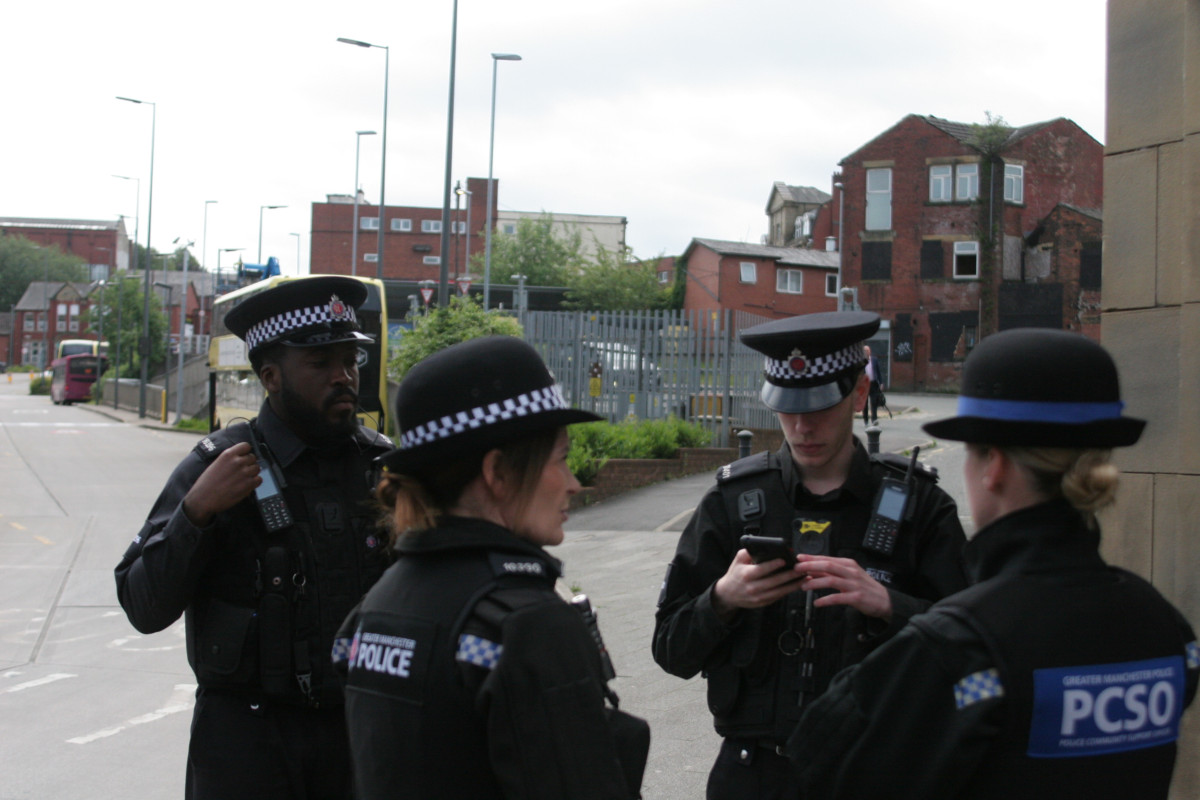
Police say the scheme involved visible patrols, intelligence-led policing and the radical strategy of occasionally speaking to each other. Authorities also worked with businesses to reduce theft, creating panic among serial shoplifters who had become accustomed to treating local retailers as a self-service warehouse.
The initiative has been so successful that stop-and-search activity has actually fallen by 37 per cent, prompting concerns among local conspiracy theorists who had spent years insisting officers did nothing except stop and search people. Many are now unsure what to complain about and have been forced to take up birdwatching.
Inspector Meena Yasin, leading the operation, said the team adopted the Home Office’s “clear, hold, build” model, a phrase that sounds suspiciously like instructions for assembling flat-pack furniture but has somehow resulted in fewer crimes being committed.
The first phase focused on Drake Street and the route from the railway station into town, traditionally the area where visitors formed their first impression of Rochdale and then immediately checked whether the train back was still running.
Officials visited every premises along the corridor and secured multiple closure orders against businesses selling illicit tobacco. One local entrepreneur described the move as “an attack on small business” before being reminded that most small businesses do not usually conceal enough counterfeit cigarettes to fog the entire Pennines.
Phase two moved onto Yorkshire Street, where persistent issues including begging, street drinking and anti-social behaviour had combined to create what tourism experts refer to as “a challenging visitor experience”.
Residents say the changes have been noticeable. One man reported being able to sit outside the town hall for nearly twenty minutes without witnessing a fight, a moped on a pavement or somebody shouting at a lamppost. The claim remains under investigation.
The operation recently won a national award for safety and resilience, leading to fears that other towns may attempt the dangerous experiment of making their centres feel welcoming.
Critics, meanwhile, have warned that if the trend continues Rochdale could eventually become pleasant enough to attract investment, functioning businesses and people voluntarily spending time there.
Council representatives welcomed the results, insisting that residents deserve to feel proud of their town centre. Early indicators suggest this may already be happening, although experts caution that excessive civic optimism should be monitored closely.
Reporting from down the M62, local observers confirmed that while crime has fallen sharply, one persistent problem remains: people on Facebook insisting the town was better in 1978 despite being unable to remember most of it.