


Local women delighted to be poked and prodded without needing to visit a hospital car park built in 1962
In a move hailed as “quietly miraculous” and “refreshingly not terrible,” Rochdale, Middleton and Heywood are now home to a pioneering gynaecological service that dares to suggest women deserve healthcare that’s local, competent, and doesn’t involve a 14-month wait beside a vending machine that only sells Twixes.
The GP Care Services Community Gynaecology Service is leading the charge with clinics across five locations in the borough, and, crucially, none of them involve a day trip to Manchester or being told “we’ve lost your referral again” by a receptionist who’s aged three decades since Tuesday.
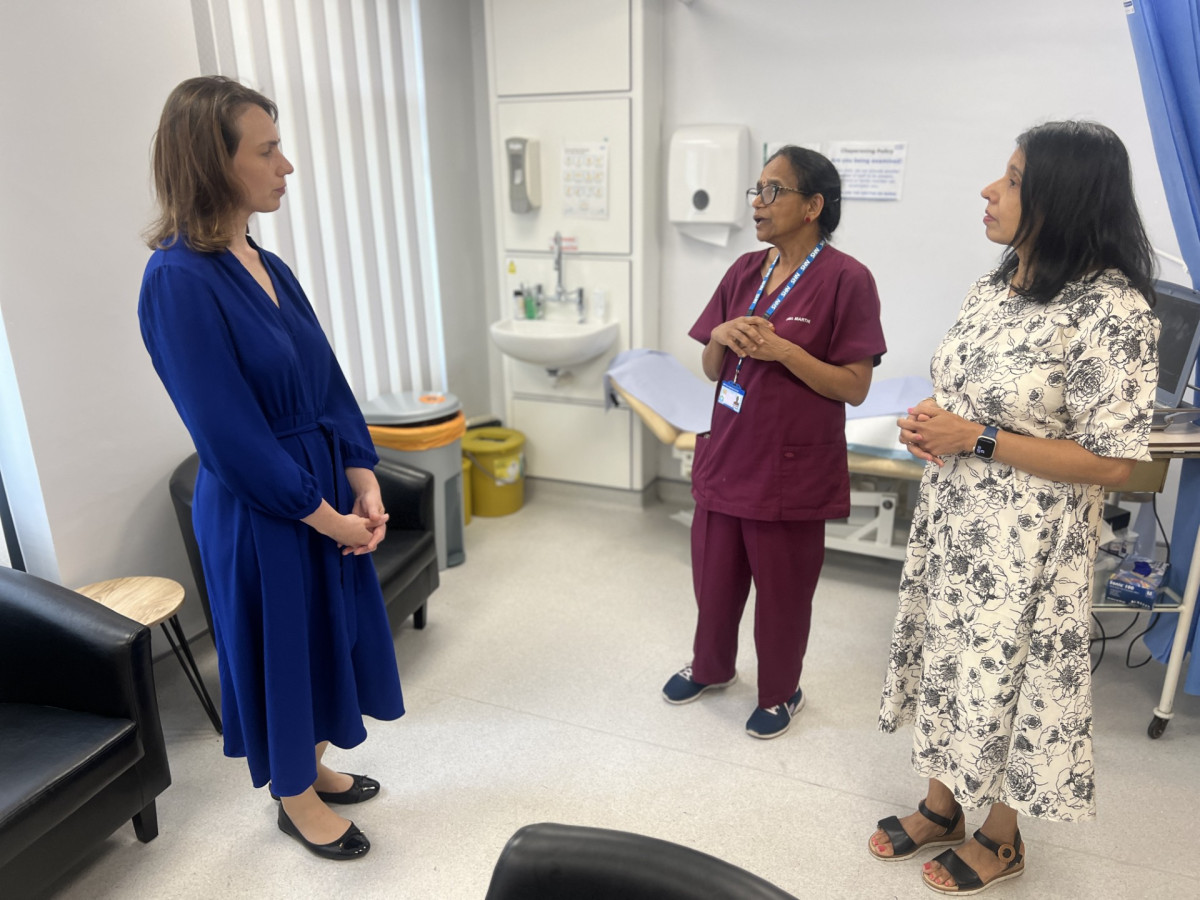
Heywood and Middleton North MP Elsie Blundell paid a visit to the service, presumably to ensure it exists and isn’t just a beautifully optimistic rumour. She was met by the lead doctors, Dr Uma Marthi, Dr Khan and Dr Gadiyar, all of whom specialise in proving that gynaecological care doesn’t have to be delivered by a man named Gary in a broom cupboard off Junction 17.
“This service is a game-changer for women’s healthcare in the borough,” said Blundell, while standing near what appeared to be actual medical equipment and not just a stack of leaflets from 2007. “It’s local, holistic, and doesn’t involve having to explain the word ‘perimenopause’ to someone who once confused it with a Pokémon.”
Run by an all-female team of doctors, nurses and administrative staff who somehow haven’t quit, the clinics offer everything from menopause support to endometrial biopsies, which, contrary to popular belief, is not a low-budget ITV drama.
Crucially, the service is multilingual, with the doctors also speaking Urdu, a development so rare in the NHS it deserves its own BAFTA. This means women from ethnic backgrounds can now access care in their own language, rather than relying on Google Translate to interpret “Do you experience abnormal bleeding?”
Unlike most NHS services which currently offer treatment only if you’re willing to solve a riddle and sacrifice a goat, these clinics boast short waiting lists, actual appointments, and an astonishing number of functioning pelvic ultrasounds.
As a bonus, GP trainees and nurses are being trained at the clinics, meaning the next generation of healthcare professionals might actually know what a cervix is before they qualify.
Reporting from down the M62, we at the Rochdale Times say: this isn’t just good news, it’s enough to make us believe that, against all odds, someone finally read the part of the NHS charter that says “treat women like humans.”