

From spotting polluters to catching murderers: job retraining for cameras begins
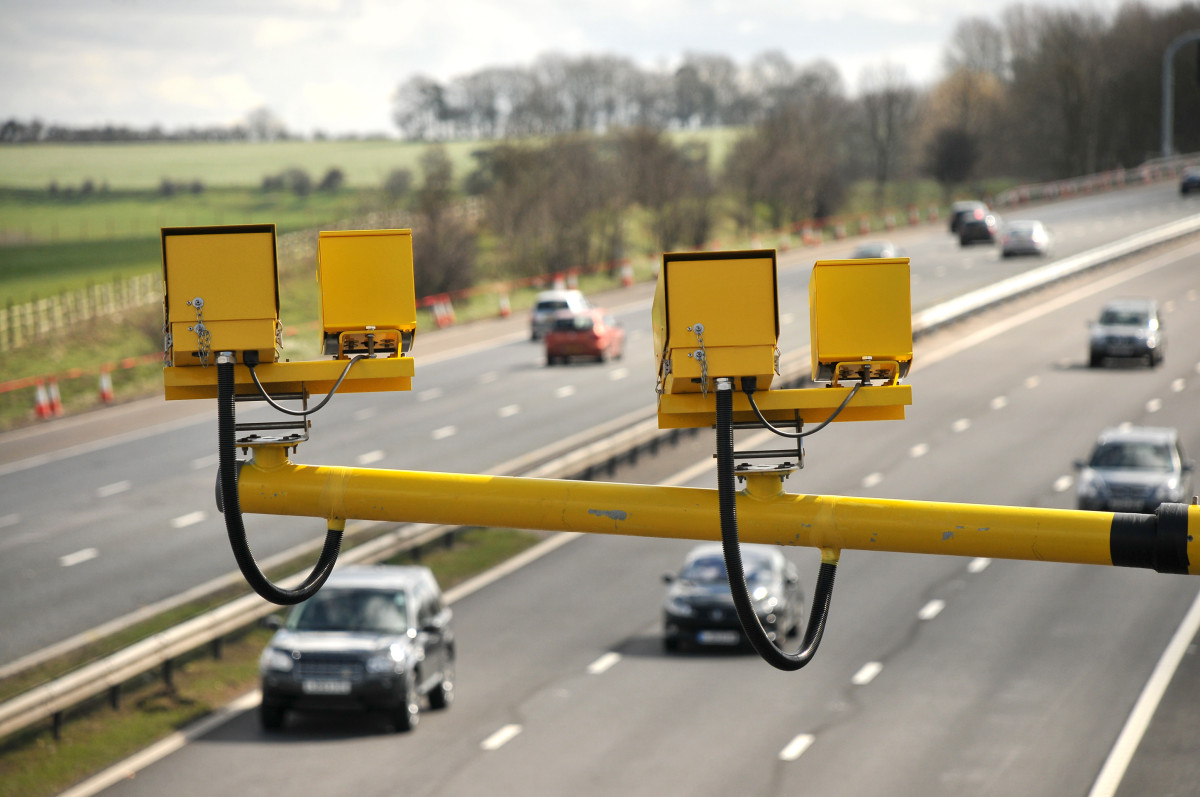
The ghostly remnants of Greater Manchester’s abandoned Clean Air Zone may soon get a thrilling second act, as officials launch a public consultation on whether to give the disused ANPR cameras a gritty new crime-fighting purpose.
Once intended to glare disapprovingly at diesel drivers entering Rochdale in search of reasonably priced pasties, the cameras have spent the last year quietly sulking on lampposts, unemployed, underappreciated, and occasionally used by seagulls as toilets.
But now, thanks to a burst of administrative optimism and a lack of cash for actual new technology, Greater Manchester Police may get full control of the cameras to use against robbers, murderers, and anyone attempting to drive a 2004 Vauxhall Astra suspiciously near Stockport.
“These cameras were once designed to shame people with older cars,” explained Deputy Mayor Kate Green while standing near a roadside cabinet humming with righteous redundancy. “Now we’re thinking: why not repurpose them to fight actual crime instead of just judging people for not owning a Tesla?”
Currently, GMP must politely request access to Transport for Greater Manchester’s (TfGM) camera data, a process that takes anywhere from six minutes to seventeen years, depending on how busy Dave in IT is. Transferring ownership would allow a “direct feed” into police systems, enabling real-time detection of wrongdoers, dodgy vehicles, and lost pensioners.
Chief Superintendent Neil Jones welcomed the idea, saying the ANPR network was so underpowered it made Rochdale’s CCTV look like a backup camera on a Ford Fiesta. “We need more eyes on the roads. Preferably ones that can’t blink, don’t sleep, and send evidence straight to HQ before anyone’s even finished the crime,” he added, breathlessly.
Residents have been invited to comment on the plan via an online survey, in case someone out there has a better idea for what to do with 800 motionless metal eyes now too traumatised to judge a Peugeot.
Privacy advocates are concerned the change may quietly usher in the era of Total Surveillance But Only In Bury, though police insist the cameras don’t use facial recognition, speed detection, or telepathic judgement, just number plate reading, and only if you’re driving near a crime scene, own a car, or exist.
The consultation ends on 6 November, at which point a mysterious committee will decide the fate of the cameras. Options include: handing them to GMP, melting them into a statue of Andy Burnham, or giving each one a tiny beret and making them cultural critics.
Reporting from down the M62, we at the Rochdale Times say: if the cameras are going to spy on us, they might as well be useful. Preferably while holding a cardboard sign reading “Exhausted of emissions. Seeking justice.”